par Raúl | Juil 14, 2026 | A1 Anglais pour débutants
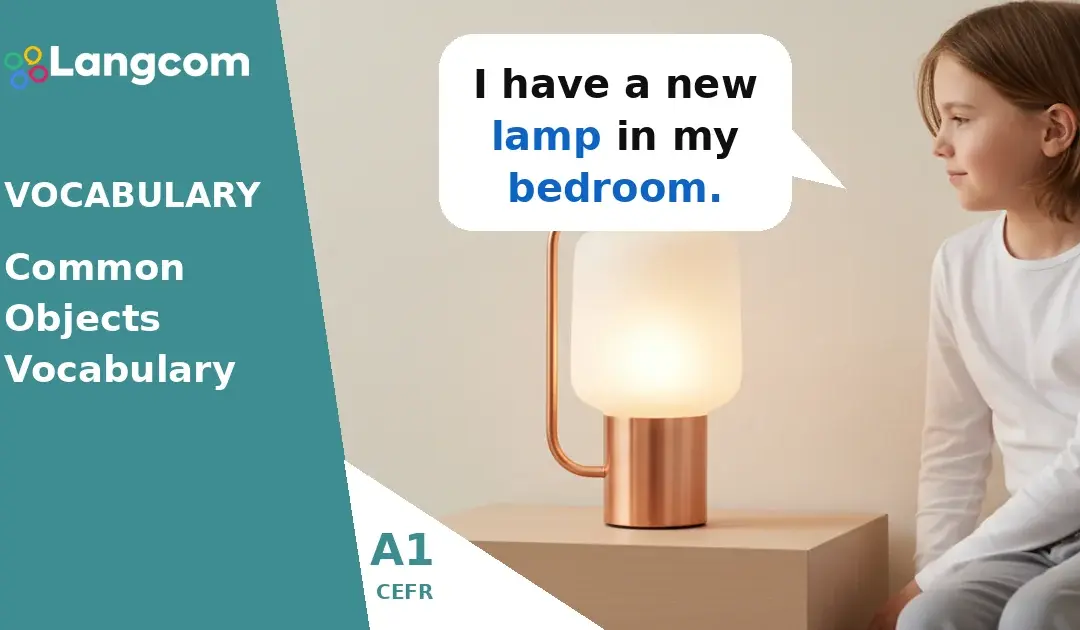
Learning the names of common objects helps you talk about your home and daily life in English. These are the things you see and use every day, like a chair, a table, or a lamp. Knowing these words is a great first step for A1 English learners. It allows you to...
par Raúl | Juil 14, 2026 | A1 Anglais pour débutants
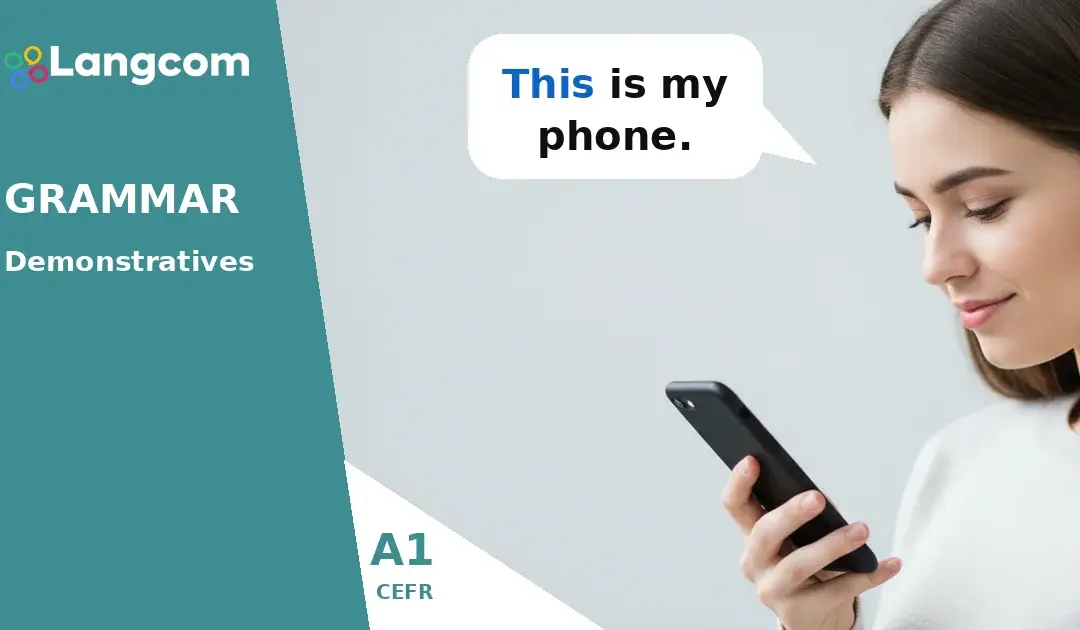
Demonstratives are special words that help us point to things. They tell us if something is close to us or far away, and if there is one thing or many things. In English, we use this and these for things that are near the speaker. We use that and those for things that...
par Raúl | Juil 14, 2026 | A1 Anglais pour débutants
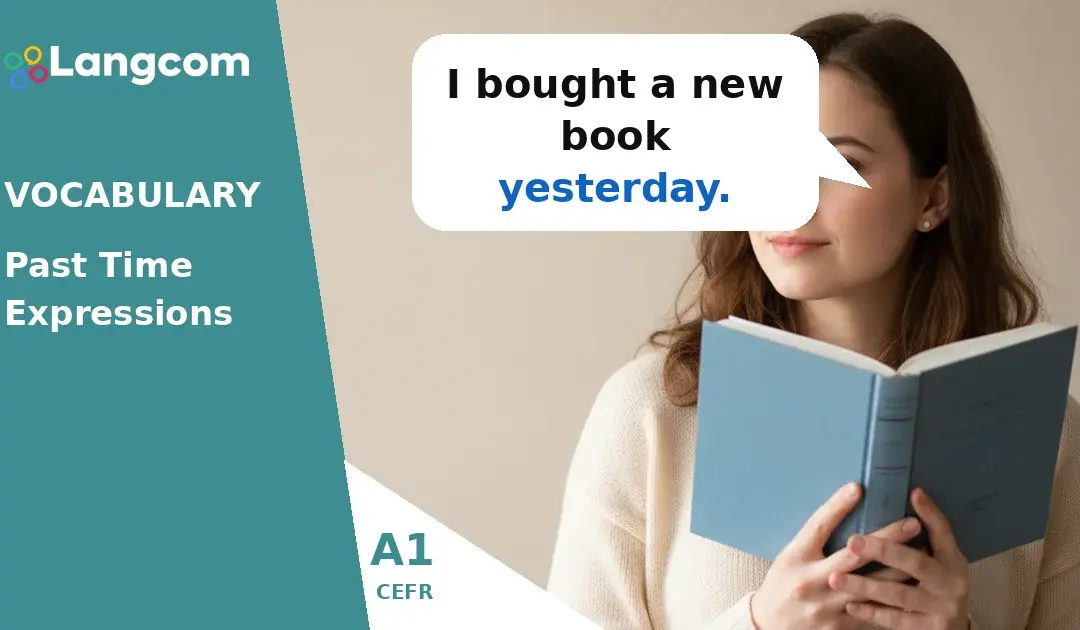
Past time expressions tell us when something happened in the past. They are very important for talking about events that are finished. At A1 level, you will learn common phrases like yesterday, last week, and two days ago. These expressions help you make simple...

par Raúl Maguiña | Juil 13, 2026 | B1 Anglais intermédiaire
More than 160,000 passengers have traveled between Lima and Huaraz in the first two years of operations at Anta Airport.This significant milestone highlights the growing importance of air travel for the Ancash region, connecting its capital, Huaraz, directly with...

par Raúl | Juil 13, 2026 | A1 Anglais pour débutants
The Past Simple of the verb to be helps you talk about states, feelings, or locations in the past. We use two main forms: was and were. Was is for singular subjects like I, he, she, and it. For example, I was happy yesterday. Were is for plural subjects like you, we,...
par Raúl | Juil 13, 2026 | A1 Anglais pour débutants
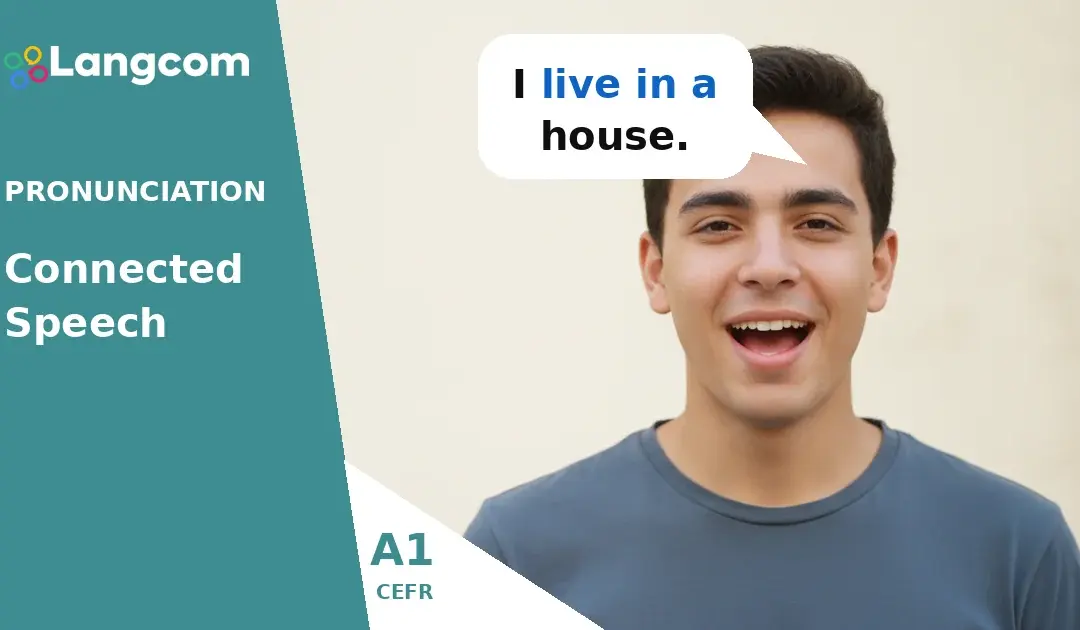
Connected speech helps you speak English more naturally. It means joining words together. When one word ends with a consonant sound and the next word starts with a vowel sound, we often link them. For example, get off sounds like ge-toff. This makes your English sound...
