par Raúl | Juil 14, 2026 | Anglais de base A2
Possessive words in English tell us who owns something or who something belongs to. We use two main ways to show possession: possessive pronouns and the possessive apostrophe ‘s. Possessive pronouns like mine, yours, his, hers, ours, and theirs replace a...
par Raúl | Juil 14, 2026 | Anglais de base A2
Learning common furniture words in English helps you describe your home and understand conversations about daily life. Furniture includes all the big and small items inside a house that make it comfortable and useful. For example, a bed is for sleeping, a table is for...
par Raúl | Juil 14, 2026 | A1 Anglais pour débutants
To talk about the past using the verb ‘to be’, we use was for singular subjects (I, he, she, it) and were for plural subjects (you, we, they). To make these negative, we add not, forming wasn’t or weren’t. For questions, we change the word...
par Raúl | Juil 14, 2026 | Anglais de base A2
Learning the names of common places in a city is very important for A1 English learners. These words help you talk about where you live, where you go, and how to ask for directions. You will use them every day to describe your routine or to understand simple...
par Raúl | Juil 14, 2026 | Anglais de base A2
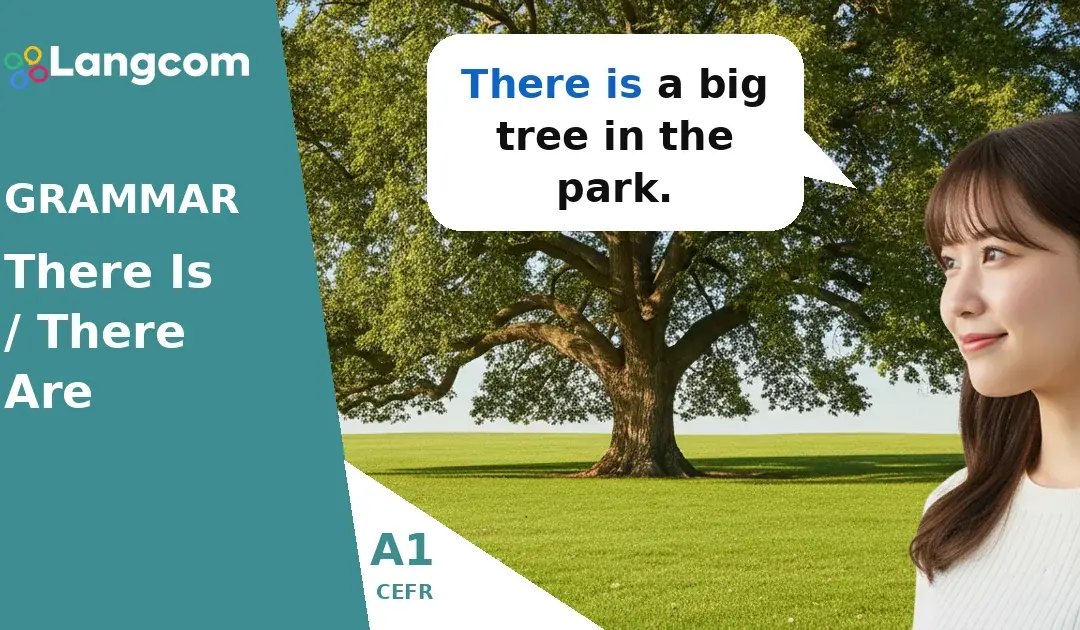
We use There is and There are to say that something exists or is present in a place. This is a very common way to describe what you can see around you. For singular nouns or uncountable nouns, we use There is. For example, There is a book on the table. For plural...

par Raúl | Juil 14, 2026 | A1 Anglais pour débutants
The possessive ‘s shows who owns something or who a person is related to, while adverbs describe how, when, where, or how often an action happens. These two grammar points are fundamental for A1 English learners to build clearer and more descriptive sentences....
