作者 劳尔 | 7 月 16, 2026 | 儿童英语预备A1级(初级)
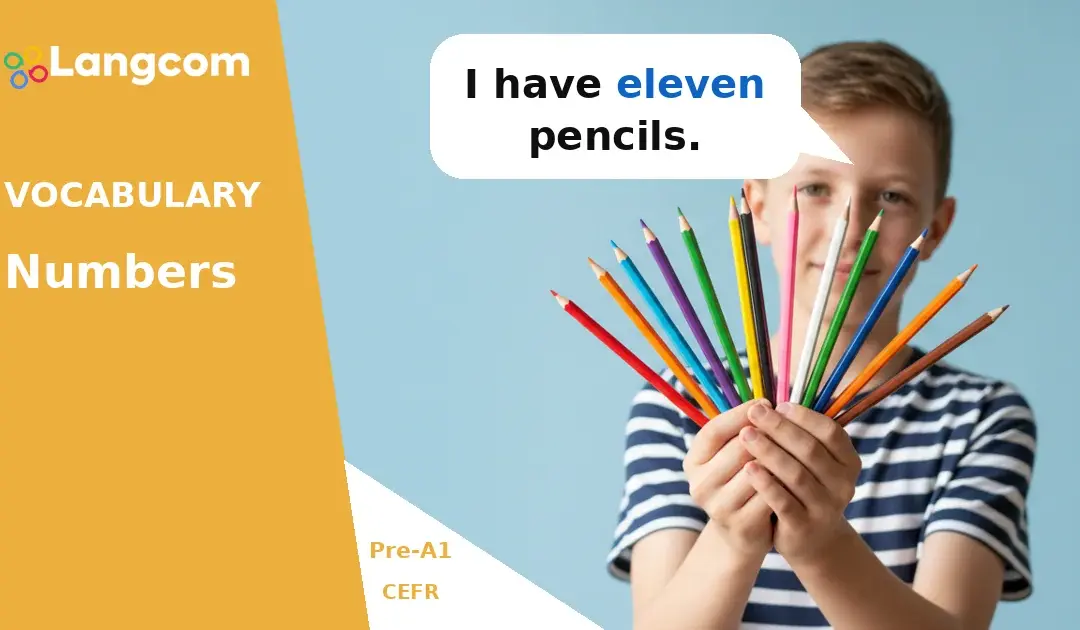
Learning English numbers 11 to 20 is a key step for beginners, helping you talk about age, time, and quantities every day. These numbers are special because they don’t follow the simple patterns of 1-10 or 21 and above. Mastering them will make it easier to...
作者 劳尔 | 7 月 15, 2026 | 儿童英语预备A1级(初级)
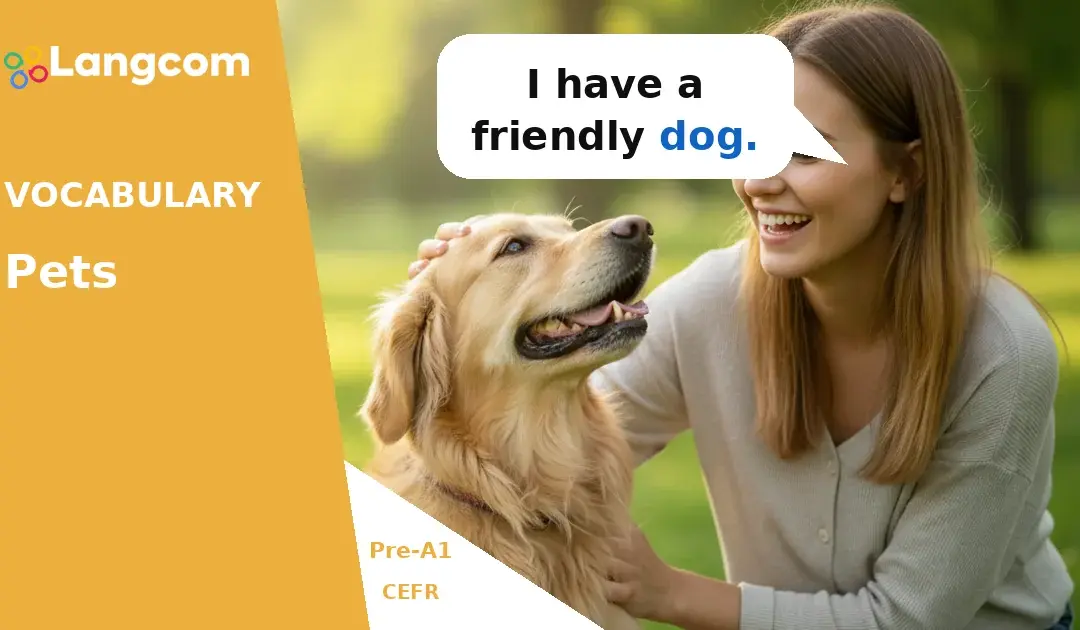
Learning common pet names in English is a great first step for Pre-A1 learners to talk about animals they love. Knowing words like dog, cat, and fish helps you describe your own pets or understand others. This basic vocabulary is useful in everyday conversations,...
作者 劳尔 | 7 月 15, 2026 | 儿童英语预备A1级(初级)
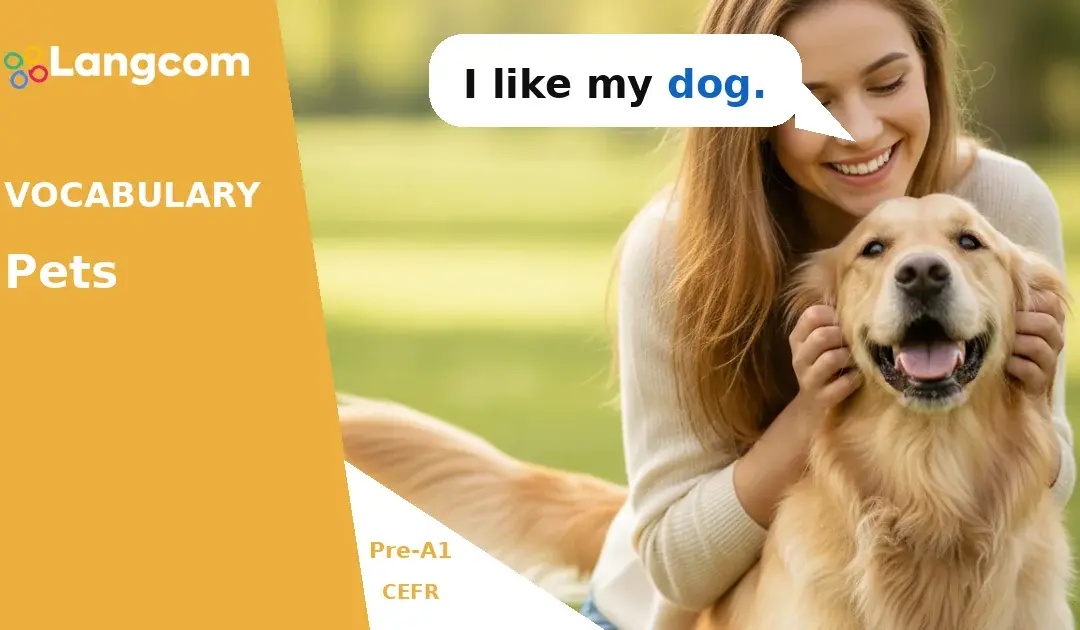
Learning basic pet names in English helps you talk about animals you love or see every day. Many people around the world have pets like dogs, cats, fish, or birds. Knowing these words is a great first step in your English vocabulary journey. You can use them to...
作者 劳尔 | 7 月 15, 2026 | 儿童英语预备A1级(初级)
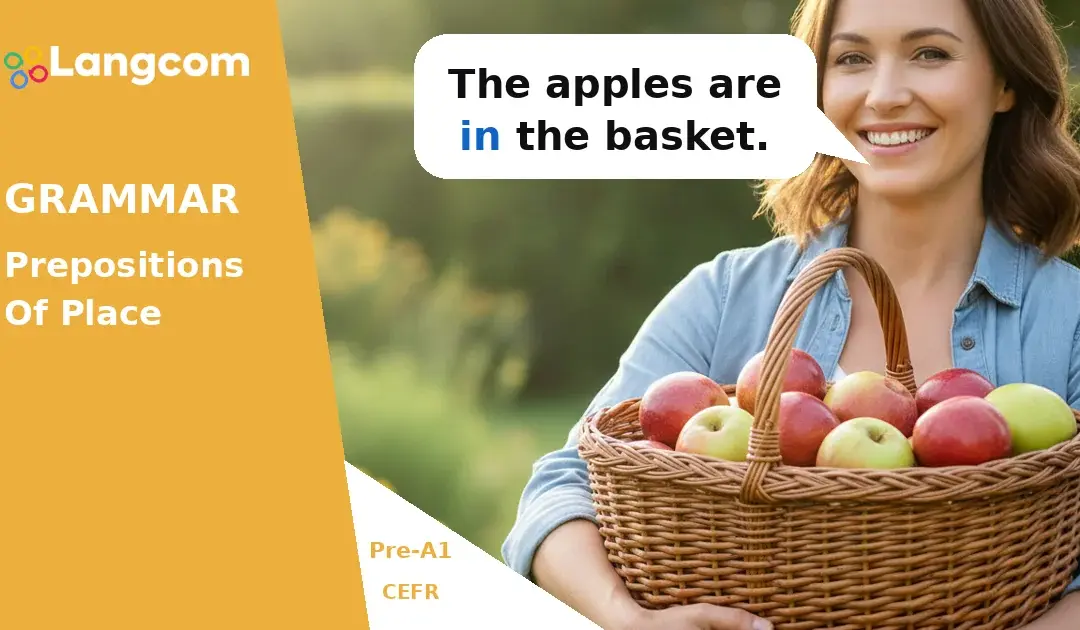
Prepositions of place tell us where things are located. They are small but very important words in English. These words help you describe the position of people, animals, and objects. For example, they tell you if something is in a box, on a table, or under a chair....
作者 劳尔 | 7 月 15, 2026 | 儿童英语预备A1级(初级)
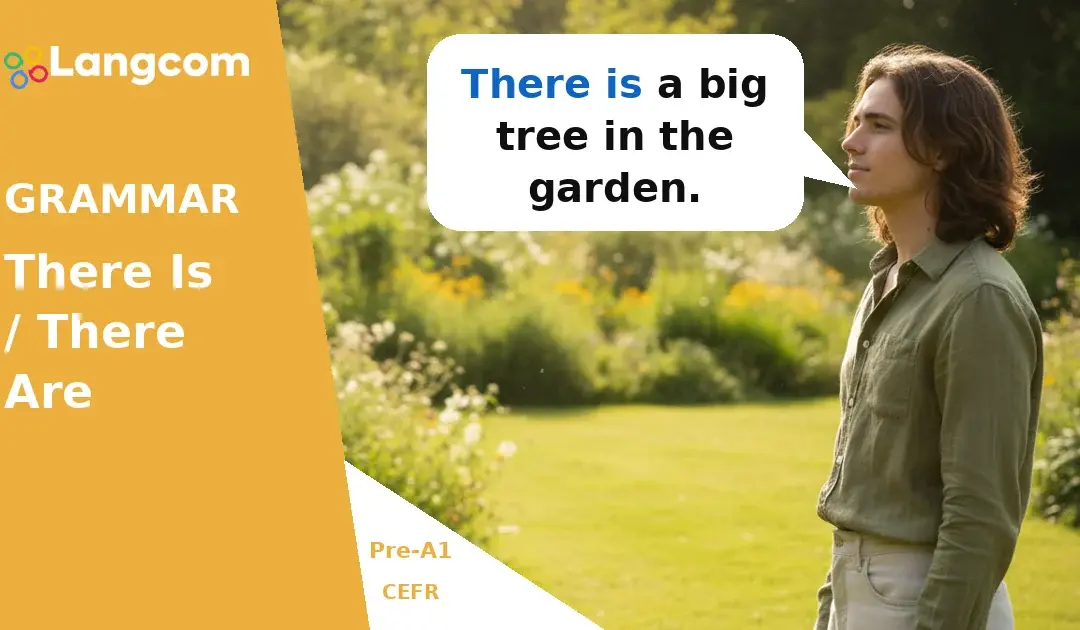
We use there is to talk about one thing and there are to talk about two or more things. These essential phrases help us describe what exists in a specific place or situation. For example, if you want to say that one computer is in the classroom, you say There is a...
作者 劳尔 | 7 月 15, 2026 | 儿童英语预备A1级(初级)
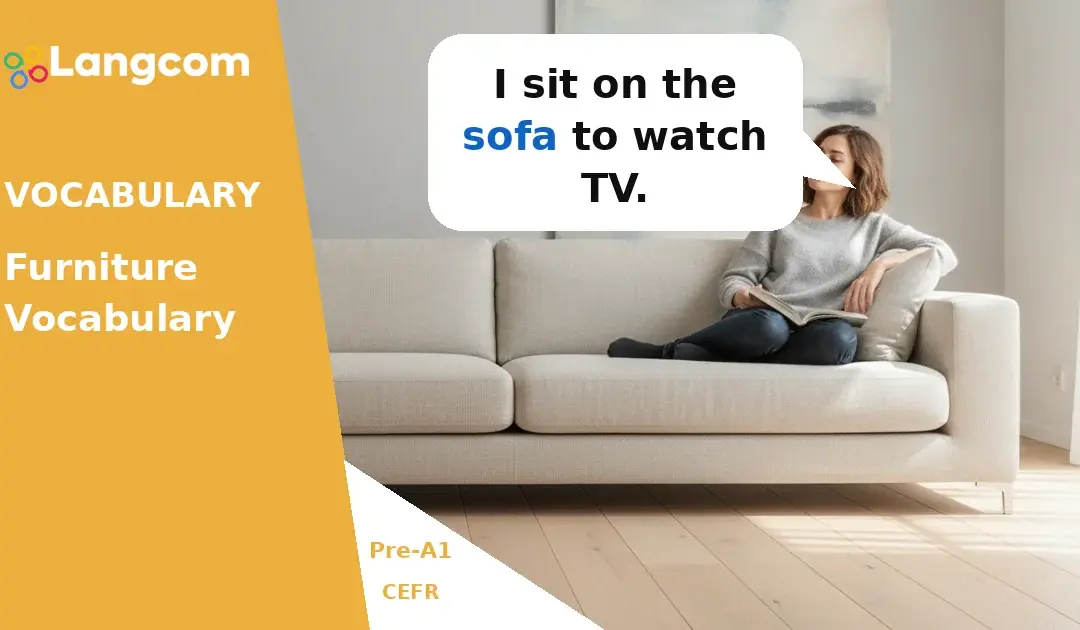
Learning basic English furniture vocabulary helps you talk about your home and everyday objects. Knowing these words is very useful for everyday conversations. When you describe your house or apartment, you will use these words. For example, you can say, “I have a...
