por Raúl | 16 de julio de 2026 | Inglés para niños: nivel pre-A1 (principiantes)
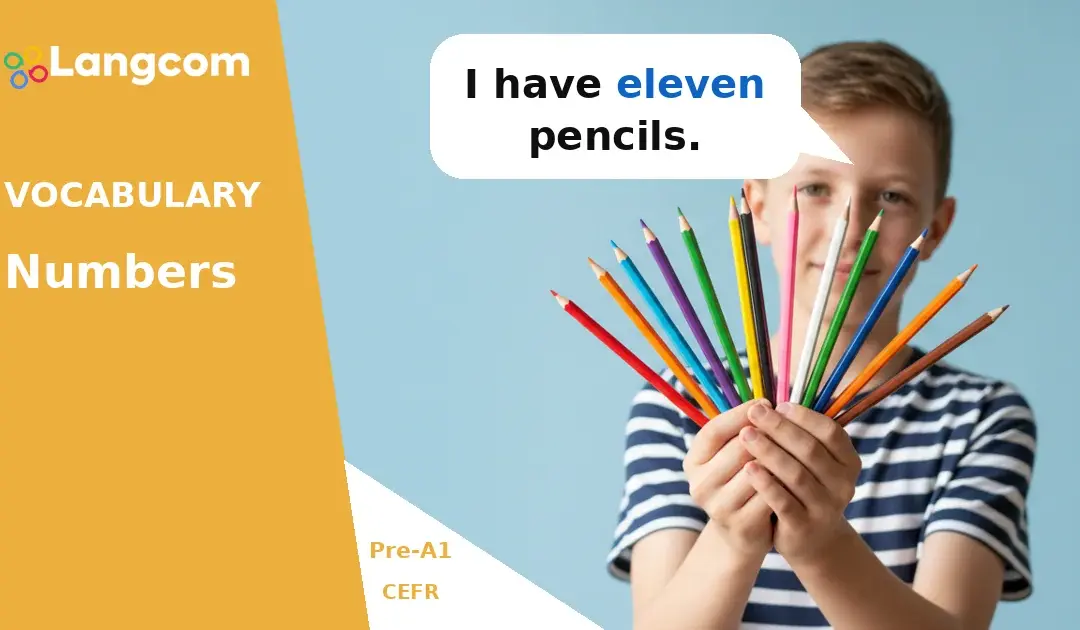
Learning English numbers 11 to 20 is a key step for beginners, helping you talk about age, time, and quantities every day. These numbers are special because they don’t follow the simple patterns of 1-10 or 21 and above. Mastering them will make it easier to...

por Raúl | 15 de julio de 2026 | Inglés para niños: nivel pre-A1 (principiantes)
Learning common pet names in English is a great first step for Pre-A1 learners to talk about animals they love. Knowing words like dog, cat, and fish helps you describe your own pets or understand others. This basic vocabulary is useful in everyday conversations,...

por Raúl | 15 de julio de 2026 | Inglés para niños: nivel pre-A1 (principiantes)
Learning basic pet names in English helps you talk about animals you love or see every day. Many people around the world have pets like dogs, cats, fish, or birds. Knowing these words is a great first step in your English vocabulary journey. You can use them to...
por Raúl | 15 de julio de 2026 | Inglés para niños: nivel pre-A1 (principiantes)
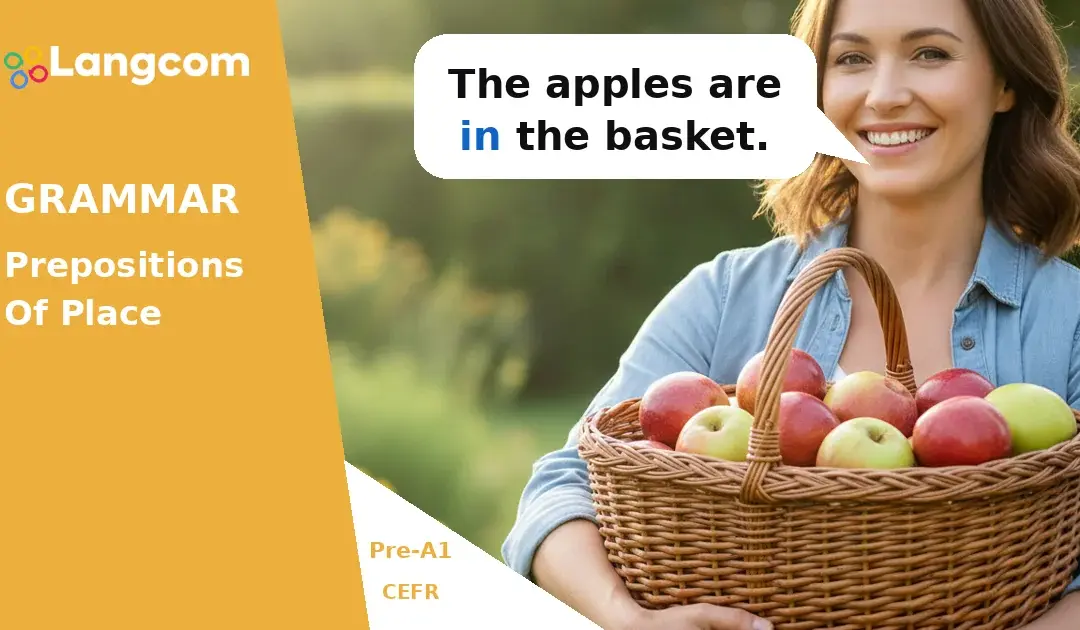
Prepositions of place tell us where things are located. They are small but very important words in English. These words help you describe the position of people, animals, and objects. For example, they tell you if something is in a box, on a table, or under a chair....
por Raúl | 15 de julio de 2026 | Inglés para niños: nivel pre-A1 (principiantes)
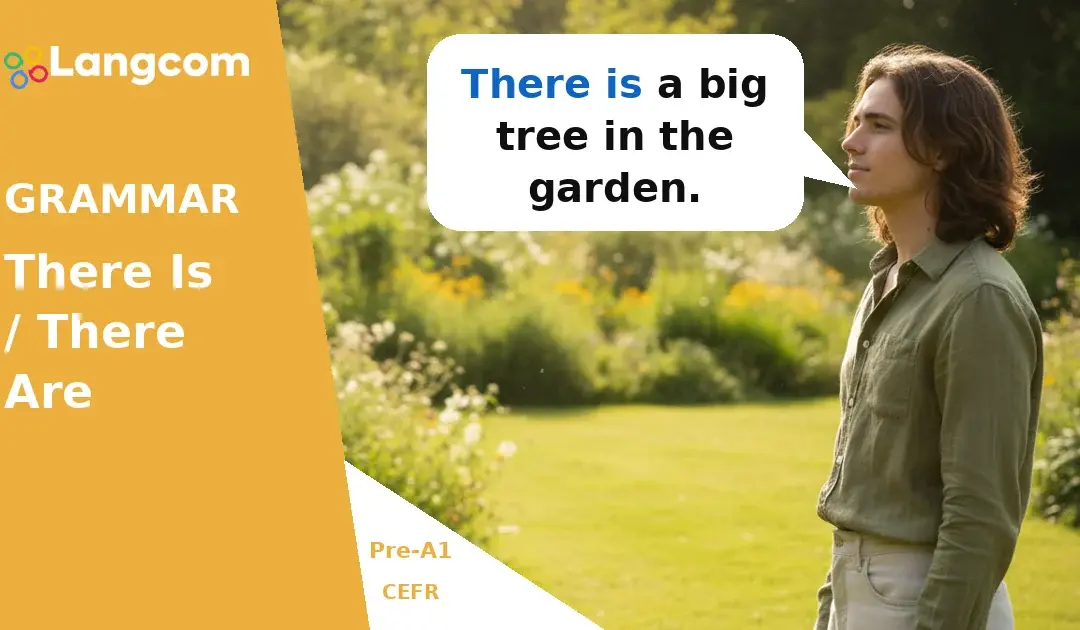
Utilizamos «there is» para referirnos a una cosa y «there are» para referirnos a dos o más cosas. Estas expresiones básicas nos ayudan a describir lo que hay en un lugar o una situación concretos. Por ejemplo, si quieres decir que hay un ordenador en el aula, dices «There is a...».
por Raúl | 15 de julio de 2026 | Inglés para niños: nivel pre-A1 (principiantes)
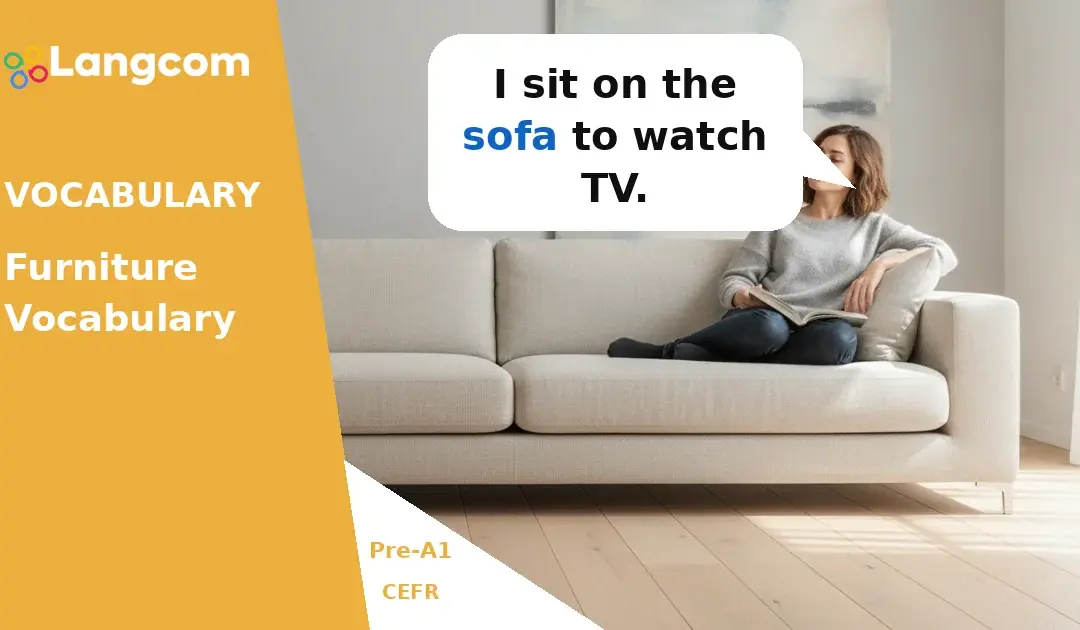
Aprender el vocabulario básico en inglés sobre muebles te ayuda a hablar de tu casa y de los objetos cotidianos. Conocer estas palabras resulta muy útil para las conversaciones del día a día. Cuando describas tu casa o tu piso, utilizarás estas palabras. Por ejemplo, puedes decir: “Tengo un...
