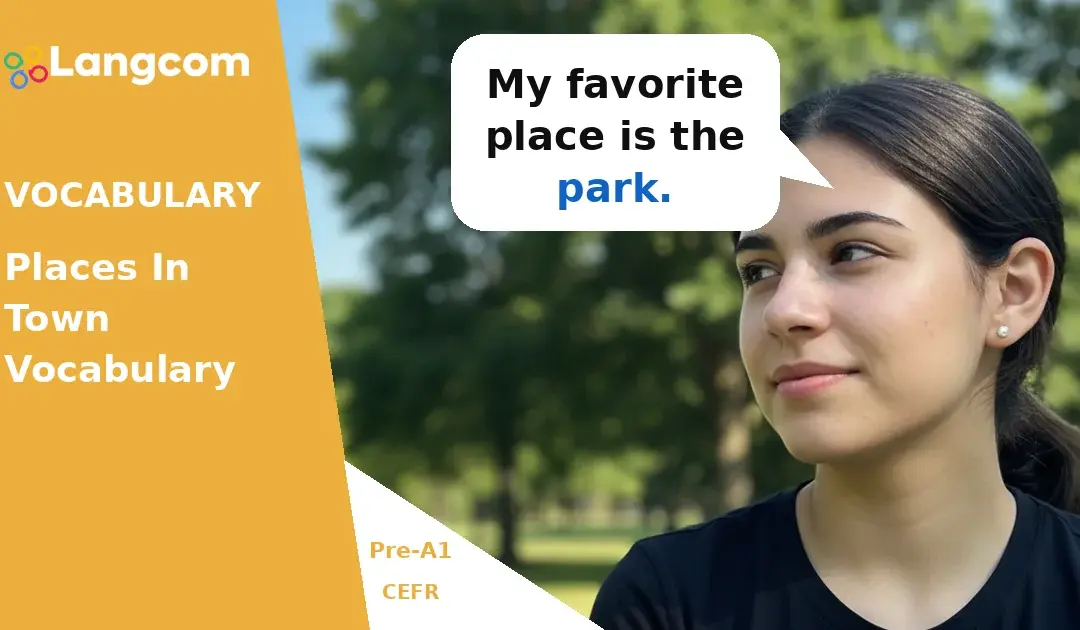
por Raúl | Jul 17, 2026 | Inglés para niños: nivel pre-A1 (principiantes)
Learning words for places in town helps you talk about where you live and what you do every day. These are important words for Pre-A1 English learners. Imagine you want to tell a friend where you are going, or ask for directions. You need to know words like park,...
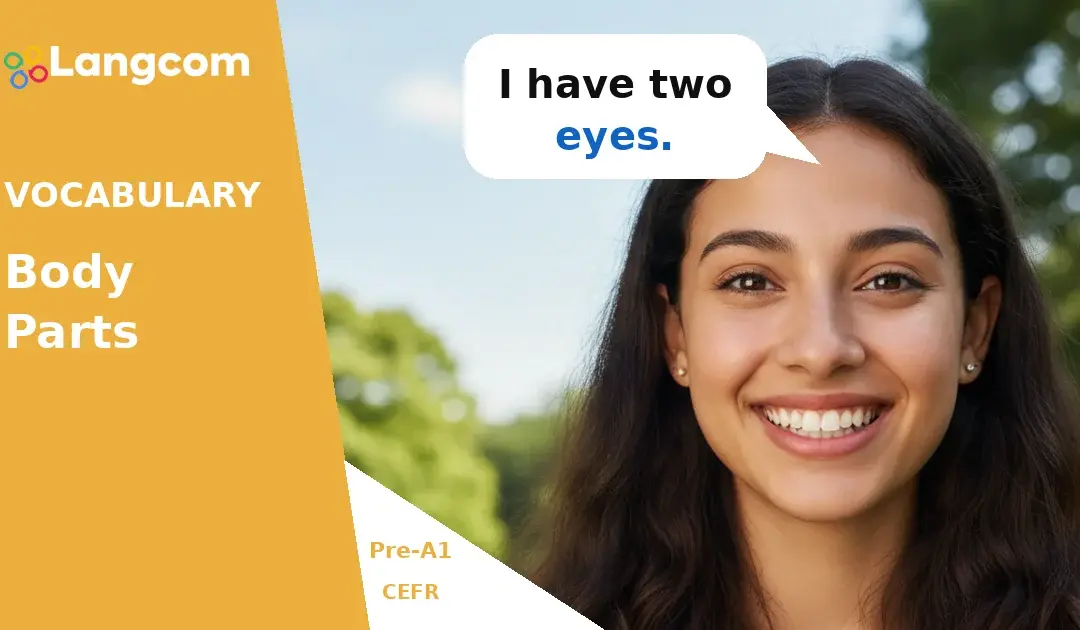
por Raúl | Jul 17, 2026 | Inglés para niños: nivel pre-A1 (principiantes)
Learning the names of body parts in English is very useful for everyday communication. You can talk about yourself, describe people, or explain if you feel pain. Knowing words like head, hand, foot, eye, and mouth helps you understand and speak basic English. This...
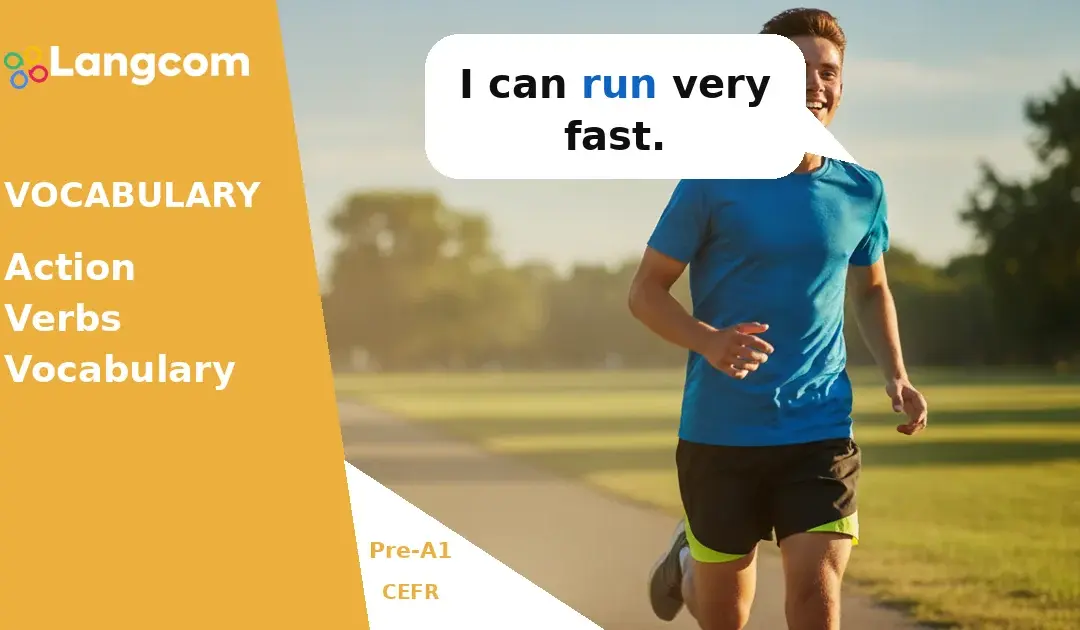
por Raúl | Jul 17, 2026 | Inglés para niños: nivel pre-A1 (principiantes)
Action verbs tell us what someone or something does. These words show movement or activity. Learning action verbs helps you talk about daily activities and describe the world around you. For example, run, jump, and swim are all action verbs. They are very important...
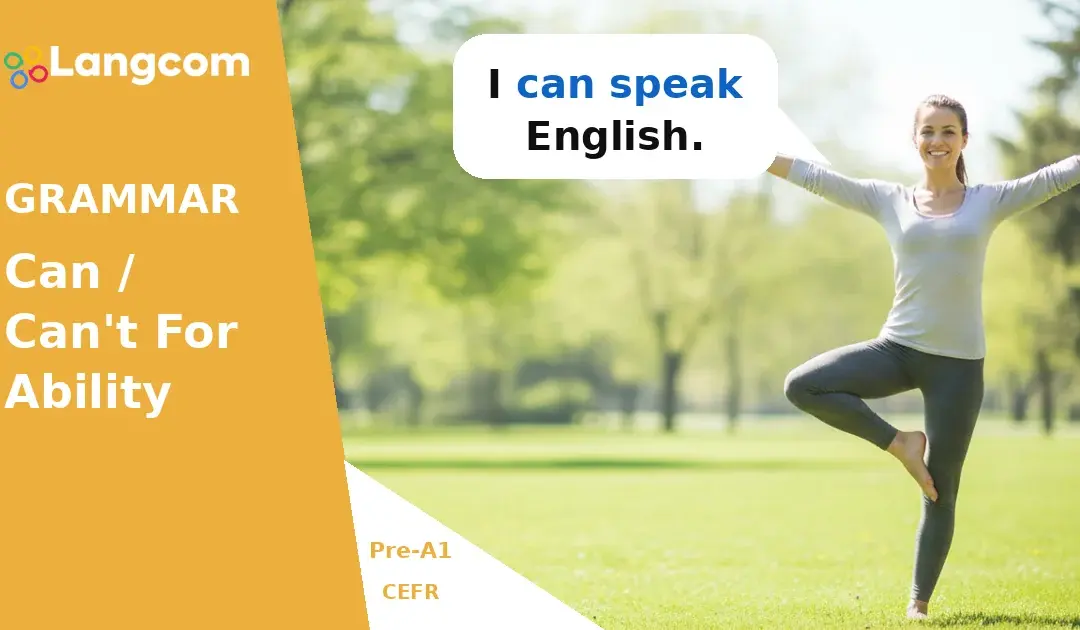
por Raúl | Jul 17, 2026 | Inglés para niños: nivel pre-A1 (principiantes)
We use can to say what someone or something is able to do. We use can’t to say what someone or something is not able to do. Can and can’t are modal verbs. They help us express ability. The structure is simple: first, you say who or what (I, you, he, she,...
por Raúl | Jul 17, 2026 | Inglés para niños: nivel pre-A1 (principiantes)
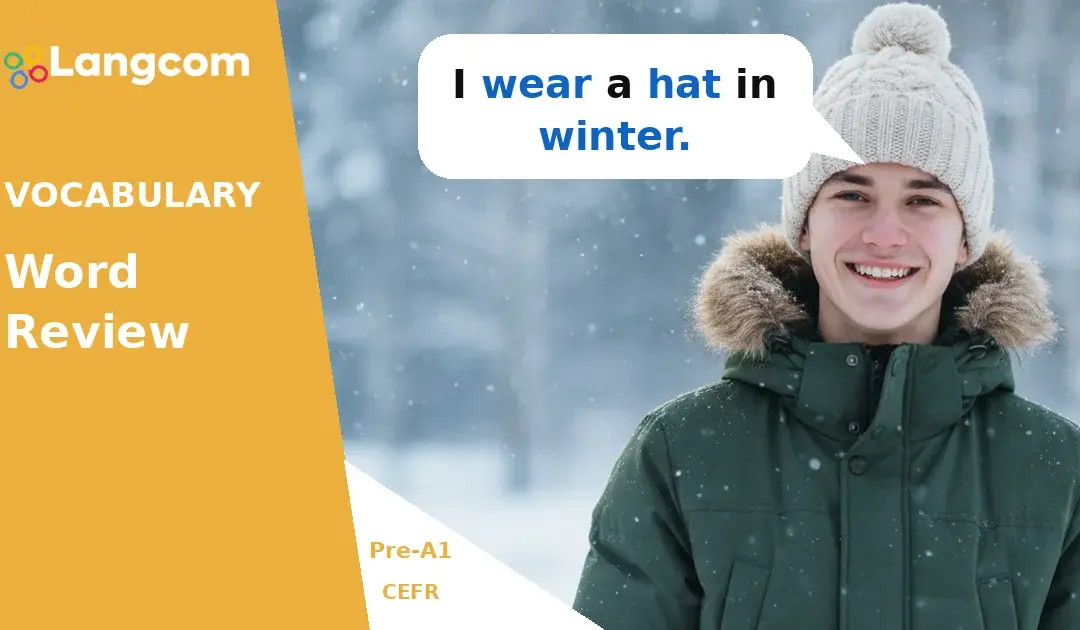
Learning English clothing words helps you talk about what you wear every day and understand others. These words are very important for describing yourself, your friends, and even people you see in pictures. For example, you can say I wear a shirt and trousers, or She...

por Raúl | Jul 17, 2026 | Inglés para niños: nivel pre-A1 (principiantes)
To ask a simple yes/no question in English, you usually change the order of words. Instead of “Subject + Verb,” you put the verb or an auxiliary verb (like do, can, have) before the subject. For example, if you want to ask about someone’s happiness,...
