
by Raúl | Jul 30, 2026 | B1 Intermediate English
Forming questions in English involves changing the usual subject-verb order and often using auxiliary verbs like do, does, or did. This fundamental shift from statement structure is key for clear communication. When your main verb is be (am, is, are, was, were),...
by Raúl | Jul 30, 2026 | B1 Intermediate English
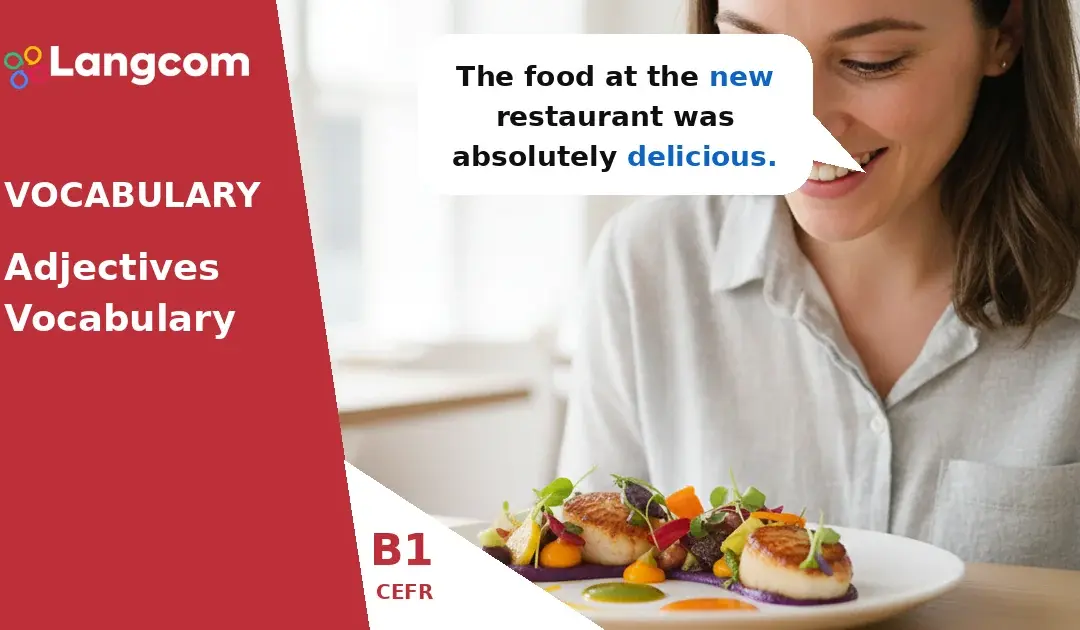
Adjectives are words that describe nouns, giving more information about people, places, things, or ideas. They make your English more interesting and precise. For example, instead of just saying ‘The movie was good,’ you can use a stronger adjective like...
by Raúl | Jul 30, 2026 | A2 Basic English
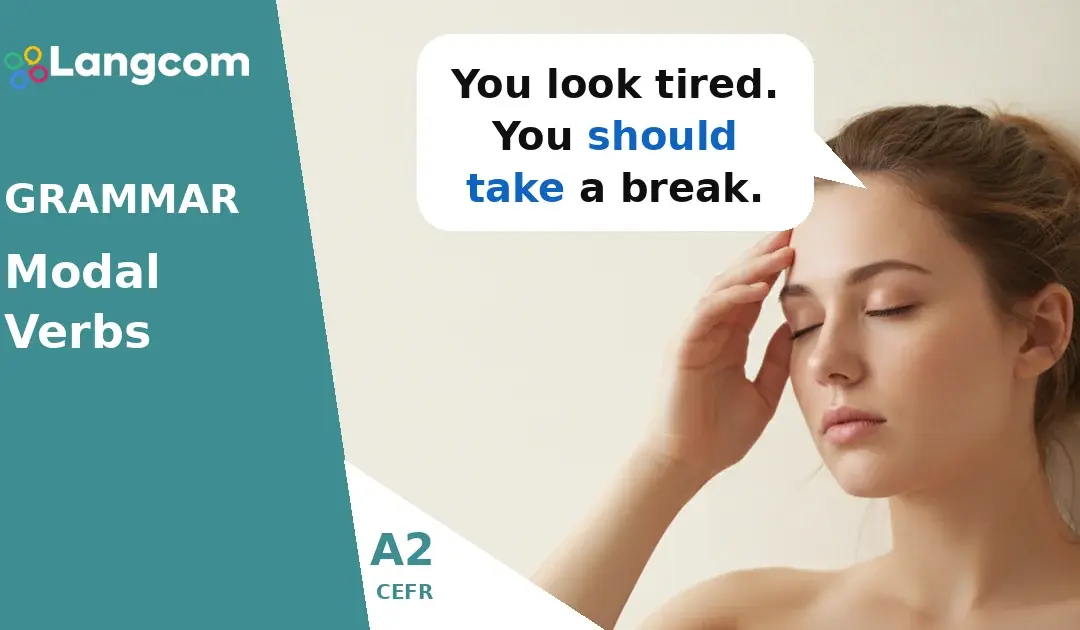
Should and shouldn’t are modal verbs we use to give advice or make recommendations. They tell us what is a good idea to do, or what is not a good idea to do. Think of them as suggesting the best action for a situation. For example, if your friend has a test...

by Raúl | Jul 30, 2026 | A2 Basic English
Collocations are groups of words that often go together naturally in English. Learning travel collocations helps you sound more natural and fluent when you talk about holidays and trips. Instead of saying words separately, you combine them in common ways, just like...

by Raúl Maguiña | Jul 30, 2026 | B2 Upper Intermediate English
Spain’s economy has demonstrated impressive strength, achieving a 2.7% annual growth rate by the end of June. Recent reports from national economic authorities confirm that the country is moving forward at a faster pace than many analysts originally expected. This...
by Raúl Maguiña | Jul 30, 2026 | B1 Intermediate English
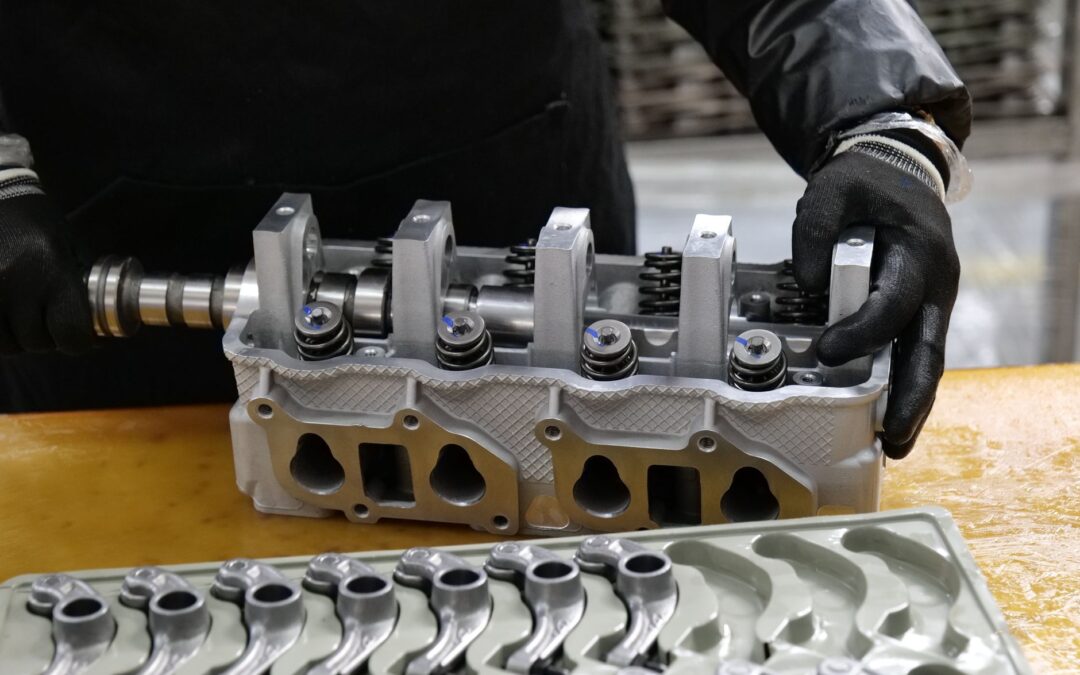
Kia has officially announced a massive 649 million dollar investment to transform its Mexican manufacturing operations to produce the new EV3 electric vehicle. This significant financial commitment marks a new chapter for the automotive sector in Mexico. By focusing...
