作者 劳尔 | 7 月 15, 2026 | 儿童英语预备A1级(初级)
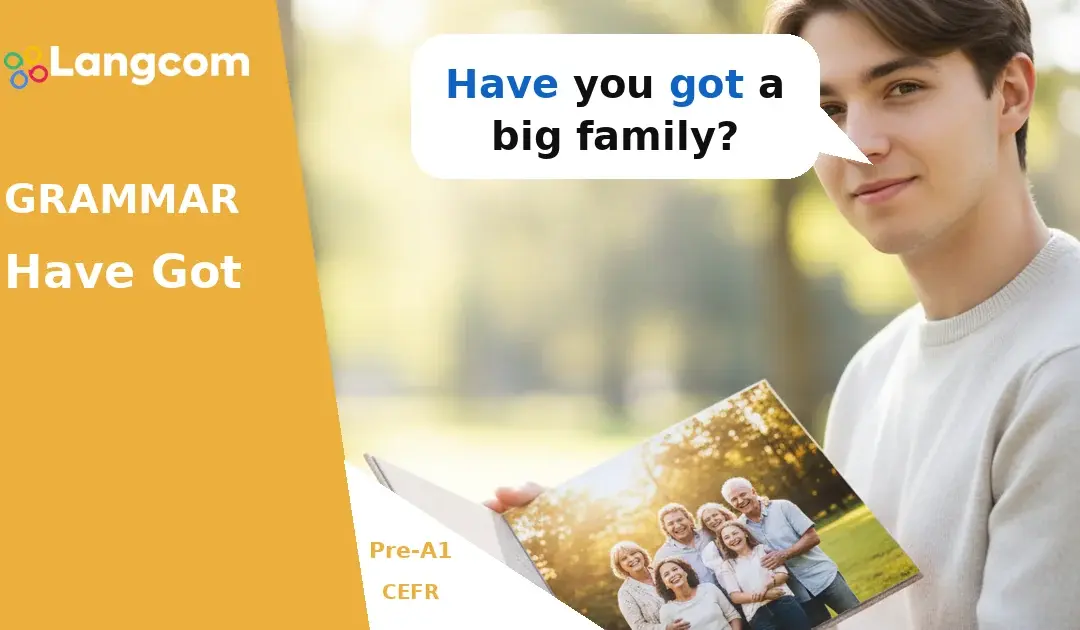
To ask about what someone possesses or has, we use Have got or Has got in question form. This structure is common in British English and is very useful for beginners. For example, you can ask Have you got a car? or Has she got a brother? The choice between Have and...
作者 劳尔 | 7 月 15, 2026 | 儿童英语预备A1级(初级)
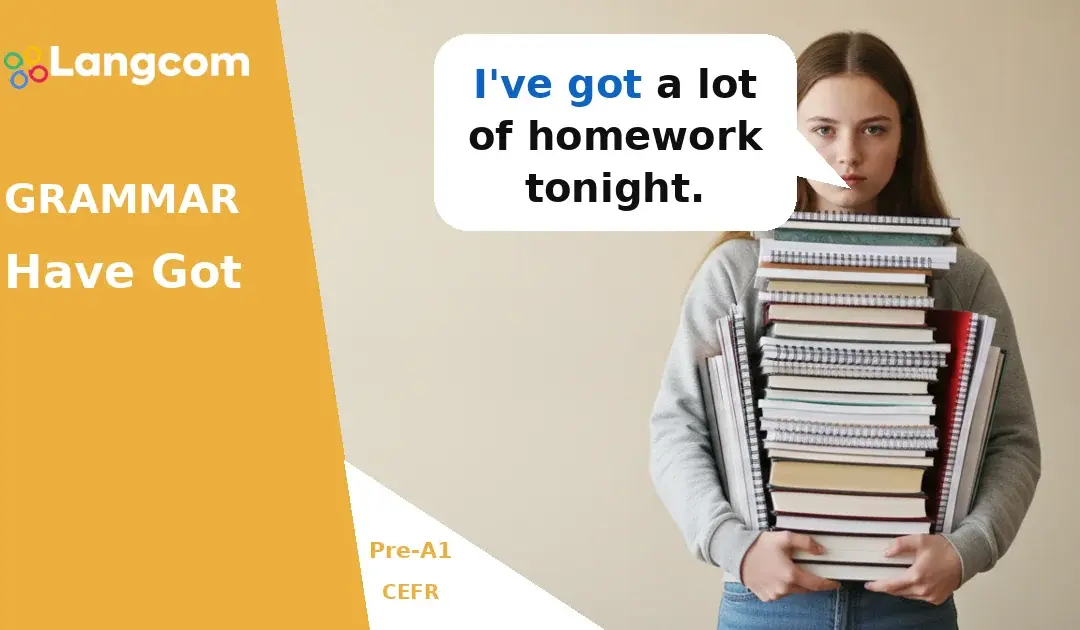
‘Have got’ and ‘has got’ are common ways to talk about possession in English. They mean that you own something, have something, or possess a characteristic. We use have got with the subjects I, you, we, and they. For example, I have got a new...
作者 劳尔 | 7 月 15, 2026 | 儿童英语预备A1级(初级)
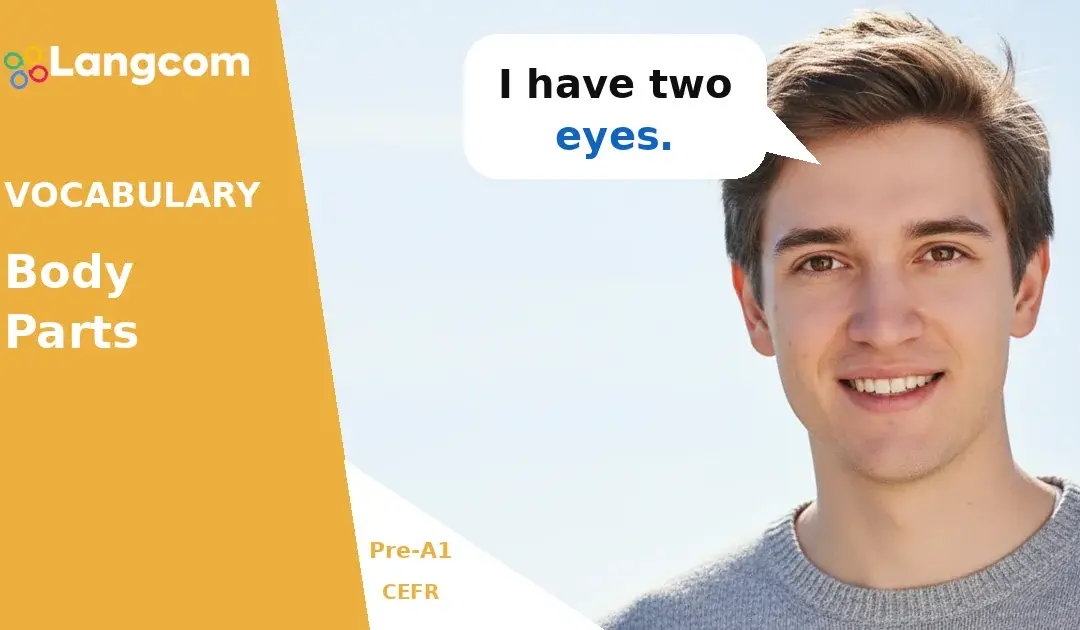
Learning English names for body parts helps you talk about yourself and others clearly and effectively. These words are essential for everyday communication, whether you are describing a person, discussing your health, or understanding simple instructions. In this...
作者 劳尔 | 7 月 15, 2026 | 儿童英语预备A1级(初级)
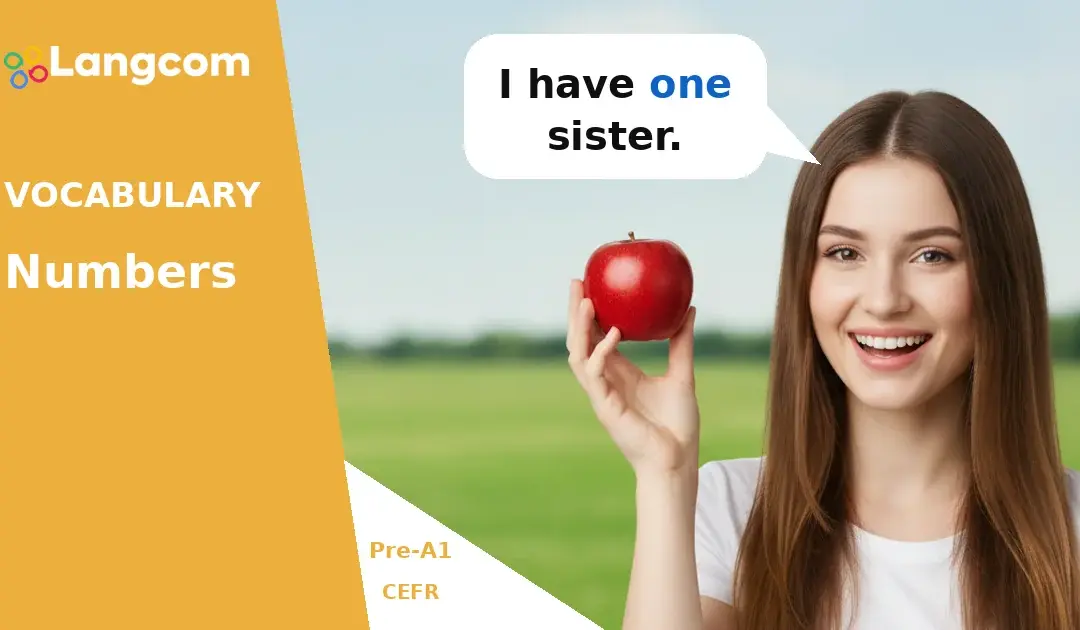
Learning English numbers 0-12 is a great first step for beginners. These basic numbers are used every day for many things. You use them to say your age, give a phone number, talk about time, or count objects. Knowing zero, one, two, three, four, five, six, seven,...
作者 劳尔 | 7 月 15, 2026 | 儿童英语预备A1级(初级)
Learning basic colours in English is a great first step to describe the world around you! You will learn words like red, blue, and yellow. Colours are adjectives, which means they describe nouns (people, places, things). In English, the colour word usually comes...
作者 劳尔 | 7 月 15, 2026 | 儿童英语预备A1级(初级)
Learning English numbers 0-12 is the first step to speaking English confidently. These basic numbers are essential for everyday communication, like telling time, giving your phone number, or talking about ages. You will use them constantly! The numbers are: zero (0),...
