
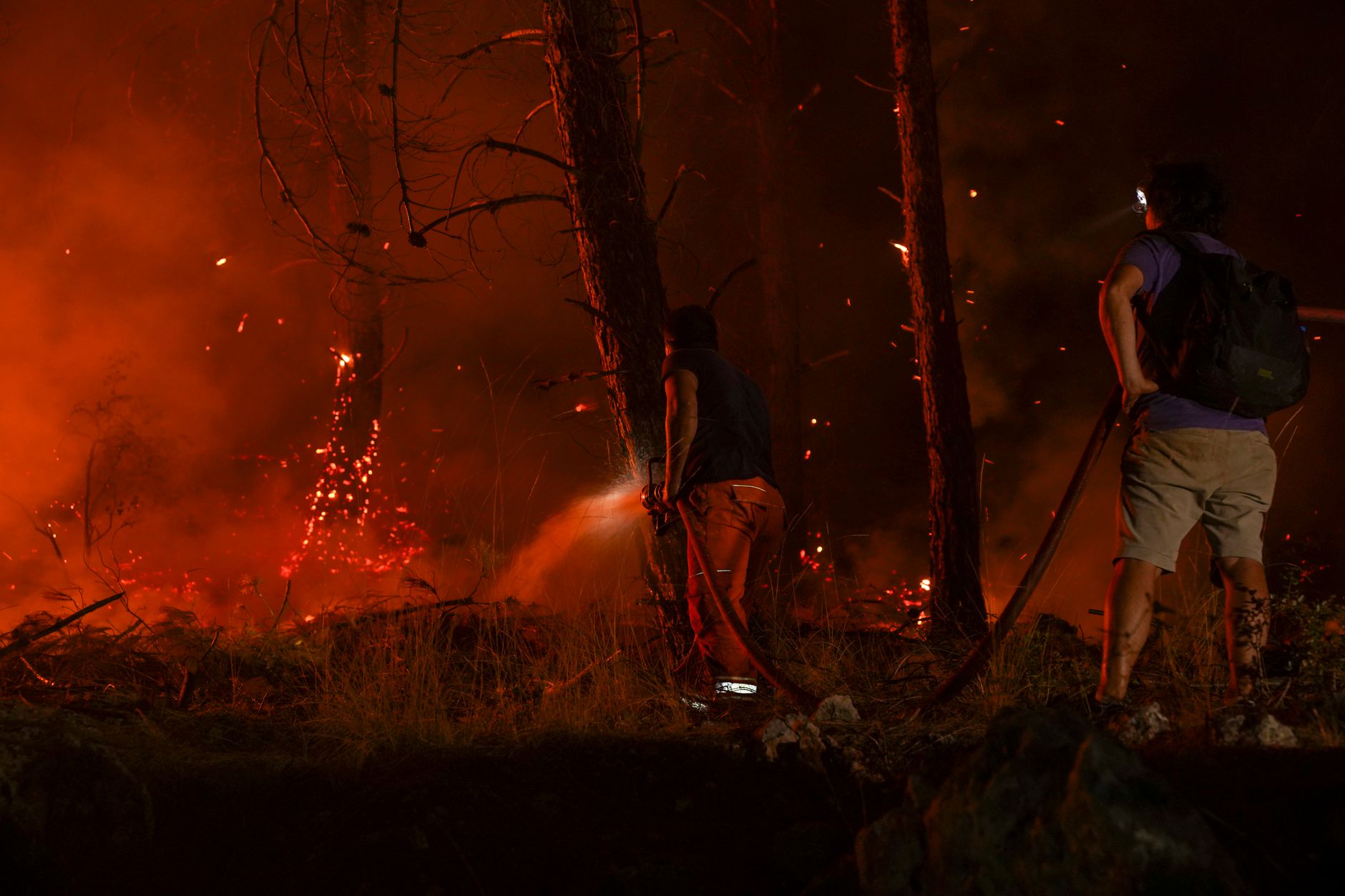

A significant fire recently swept through the Chimbote Forest Nursery, destroying half a hectare of precious green space and alarming local residents.
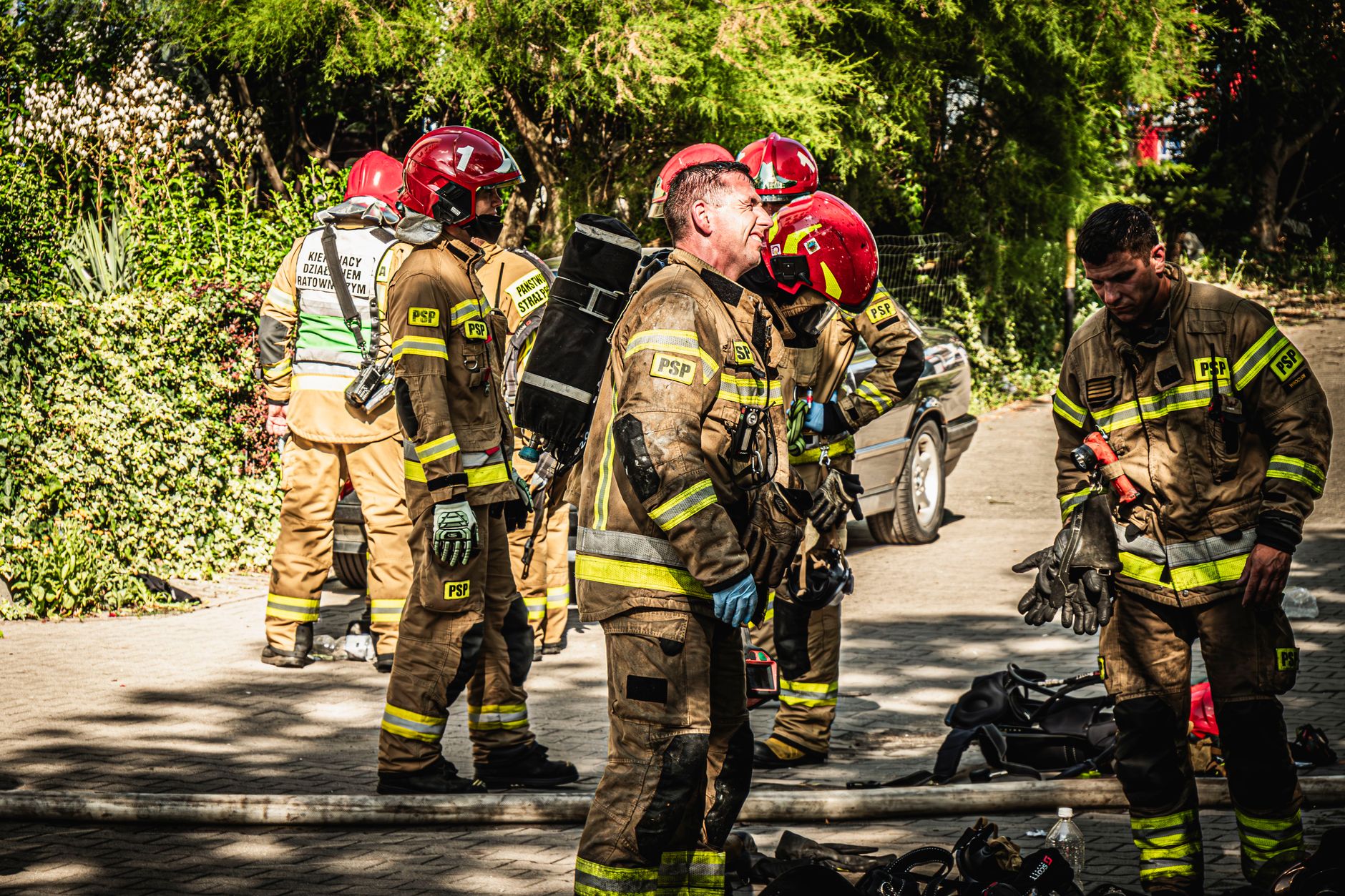
The fire broke out late in the afternoon, quickly spreading through the dry vegetation. Firefighters and local authorities worked for several hours to gain control of the blaze, preventing it from reaching the more populated sections of the park. While no injuries were reported, the loss of trees and natural habitats serves as a stark reminder of how vulnerable our public spaces remain during the dry season.
The Vivero Forestal is not just a collection of trees; it is a vital landmark for the Ancash region. For decades, it has served as a center for relaxation, education, and biodiversity. When local environmental sites are damaged, it affects the entire region, including the spirit of communities in Huaraz who view these spaces as essential parts of our local heritage.
🎓 Aprenda inglês com o método misto
Grupos pequenos · Tutor de IA 24 horas por dia, 7 dias por semana · Preparação para os exames de Cambridge
Planos de $39 $79 por mês
The Environmental and Social Impact
Beyond the immediate loss of plants, the fire has sparked a wider conversation about land management and safety. Many residents are now asking if there are enough preventative measures in place to stop such disasters before they begin. In environmental science, we often use the term ecological footprint to describe the impact human activity has on nature. Events like this force us to reconsider how we protect our regional treasures.
For the residents of Huaraz and Chimbote, this incident is a call to action. We must become better stewards of our environment. As our region grows, we need experts who can communicate these safety concerns on a global stage. This is where the ability to speak a second language becomes a professional tool. To truly advocate for our environment, locals need to share their stories and research with international organizations, and that requires strong communication skills. Many students choose to learn English with Langcom to bridge that gap and ensure their voices are heard by the international community.
Opportunities in a Growing Region
Economic growth in Ancash is tied closely to our ability to preserve our natural beauty and manage our resources well. Tourism, for example, relies heavily on the health of our forests and parks. When we lose part of a nursery to fire, we lose a piece of our attractiveness to visitors. By improving our English, local entrepreneurs and park managers can access international best practices for fire prevention and sustainable development.
Furthermore, understanding global trends in environmental protection is easier when you have access to international news and technical reports written in English. Being able to read about successful forest management projects in other countries can provide us with the solutions we need here at home. It is a powerful way to stay informed and contribute to the modernization of our local systems.
💬 Precisa de orientação personalizada?
Como Centro Autorizado de Preparação para os Exames de Cambridge, podemos orientá-lo na escolha do curso e da certificação mais adequados. Entre em contato com nossos orientadores hoje mesmo.
Converse com um consultor pelo WhatsAppThe path forward requires both local action and a global perspective. Whether you are working in tourism, environmental management, or any other field, your professional growth depends on your ability to connect with the world. We encourage you to test your current English level today and see how far you can go. Continue improving your skills and prepare for your future by certifying your proficiency with Cambridge, TOEFL, or IELTS, and start your journey with us at Langcom.

0 Comentários