
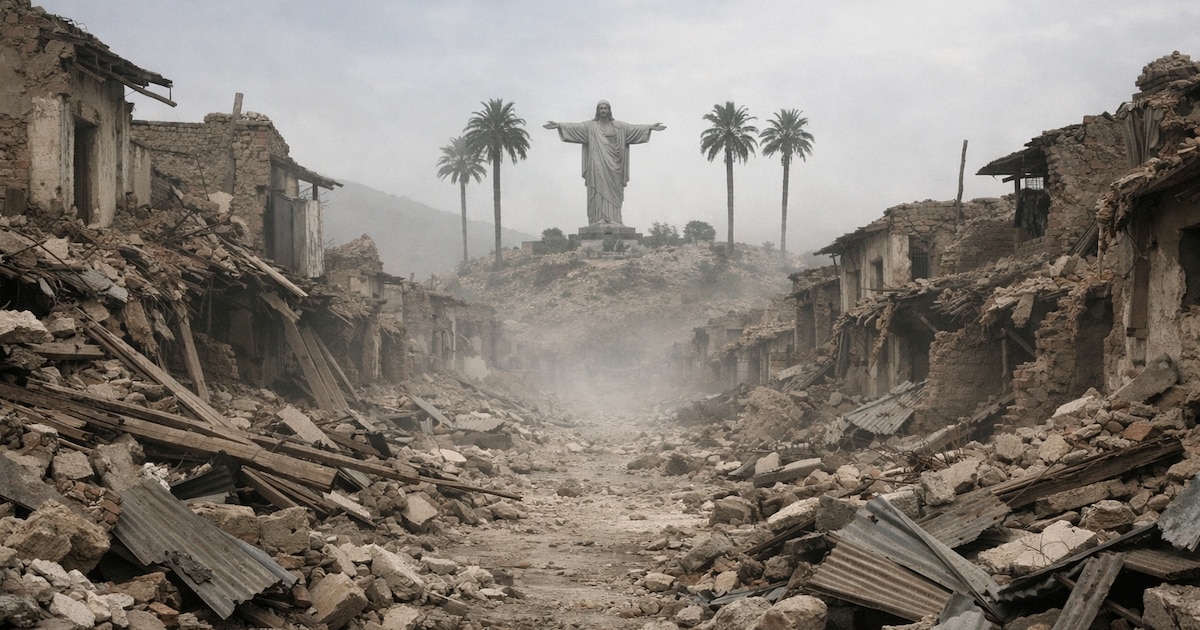

The 1970 earthquake was the most tragic natural disaster in Peru’s history, changing the Ancash region and the city of Huaraz forever.
On May 31, 1970, at 3:23 p.m., the ground began to shake with terrifying force. The earthquake, which had a magnitude of 7.9, had its epicenter in the Pacific Ocean, near the coast of Chimbote. However, the most devastating effects occurred in the mountains. This event is often called the Great Peruvian Earthquake, and for the people of Huaraz and the Callejón de Huaylas, it represents a moment where time stopped and the landscape of their lives changed in an instant.
The tragedy was caused by two main factors: the strong seismic activity and a massive landslide. The shaking caused a huge block of ice and rock to break off from the north peak of Mount Huascarán. This mixture of mud and ice traveled down the mountain at speeds of over 200 kilometers per hour. In just a few minutes, the beautiful town of Yungay was completely buried. In Huaraz, the situation was also desperate. Approximately 90% of the city’s buildings collapsed because they were made of traditional adobe, which could not survive the intense movement.
The Reconstruction and Transformation of Huaraz
In the years following the disaster, Huaraz had to be completely reimagined. The city we walk through today, with its wide avenues and modern Plaza de Armas, is the result of a long process of reconstruction. Architects and urban planners wanted to ensure that if another earthquake happened, the city would be safer. They replaced the narrow streets of the “Old Huaraz” with larger spaces that allow for faster evacuation. This physical change also brought a change in the local economy, as Huaraz slowly transitioned from a quiet highland town into a busy hub for commerce and tourism.
This period of rebuilding also opened Ancash to the world. International aid arrived from many different countries, bringing doctors, engineers, and volunteers. This was one of the first times that the people of Huaraz had to communicate on a global scale to coordinate help and resources. Today, that international connection is stronger than ever. Huaraz is now the “Hiking Capital of Peru,” attracting thousands of foreign visitors every year who come to explore the Cordillera Blanca. This history shows that being able to share our stories with the world is essential for our development.
For modern residents, the 1970 earthquake is not just a sad memory; it is a lesson in resilience. This word describes the ability to recover from difficult situations and become stronger. The people of Ancash proved their strength by staying in the region and building a new future. Today, that same spirit is what drives young professionals in Huaraz to seek new opportunities in education and business. Many find that to truly grow and connect with the global market, they need to bridge the gap between our local history and the rest of the world.
Lessons in Safety and Global Communication
One of the most important legacies of 1970 was the creation of the National Institute of Civil Defense (INDECI). Before this tragedy, Peru did not have a specialized system to handle large-scale disasters. Now, every year on May 31, the entire country participates in a national drill (simulacro) to practice what to do during an emergency. These exercises help us remember that we live in a seismic zone and that an emergency protocol can save lives. For the younger generations, these drills are a vital part of their education and civic duty.
In the modern world, being prepared also means being able to access information. Much of the scientific research about the glaciers in the Cordillera Blanca and the seismic risks in the Andes is published in international journals. For local students and professionals, having the skills to read and understand this information is a major advantage. If you learn English with Langcom, you gain the ability to research these topics and share our regional safety protocols with international organizations, making our community even safer and more professional.
Furthermore, the tourism industry in Huaraz depends on our ability to explain the history and geography of our region. When a guide can tell the story of the 1970 earthquake to a group of tourists, they are not just giving facts; they are preserving the memory of those who were lost. This connection between history and language helps create better jobs and more sustainable business opportunities for everyone in the Ancash region. It turns a local tragedy into a global lesson about the power of nature and the strength of the human spirit.
💬 個別のアドバイスが必要ですか?
当校はケンブリッジ試験の公認準備センターとして、皆様に最適なコースや資格取得への道をご案内いたします。ぜひ今すぐアドバイザーにご相談ください。.
WhatsAppでアドバイザーとチャットAt Langcom, we believe that your voice is the most powerful tool you have to honor our history and build your future. We encourage you to take the next step in your personal journey by improving your English skills today. Whether you are a beginner or looking to perfect your fluency, you can test your current level with us and prepare for global success. Start your journey now and get ready to certify your English with prestigious exams like Cambridge, TOEFL, or IELTS, opening doors to new opportunities both here in Huaraz and around the world.

コメント 0 件