
por Raúl Maguiña | Jul 30, 2026 | B1 Inglés Intermedio
Severe weather conditions have forced authorities to pause all rescue operations on Mount Huascarán, leaving the local community in a state of deep concern. The Huascarán mountain, the highest peak in Peru, is a symbol of pride for the Ancash region. However, its...
por Raúl Maguiña | Jul 30, 2026 | B1 Inglés Intermedio
The coastal city of Chimbote recently became a massive laboratory for positive change as citizens launched over 100 urban interventions in a single day. The event, known as ‘100 en 1 día,’ brought together students, artists, and families to improve their...
por Raúl | Jul 30, 2026 | B1 Inglés Intermedio
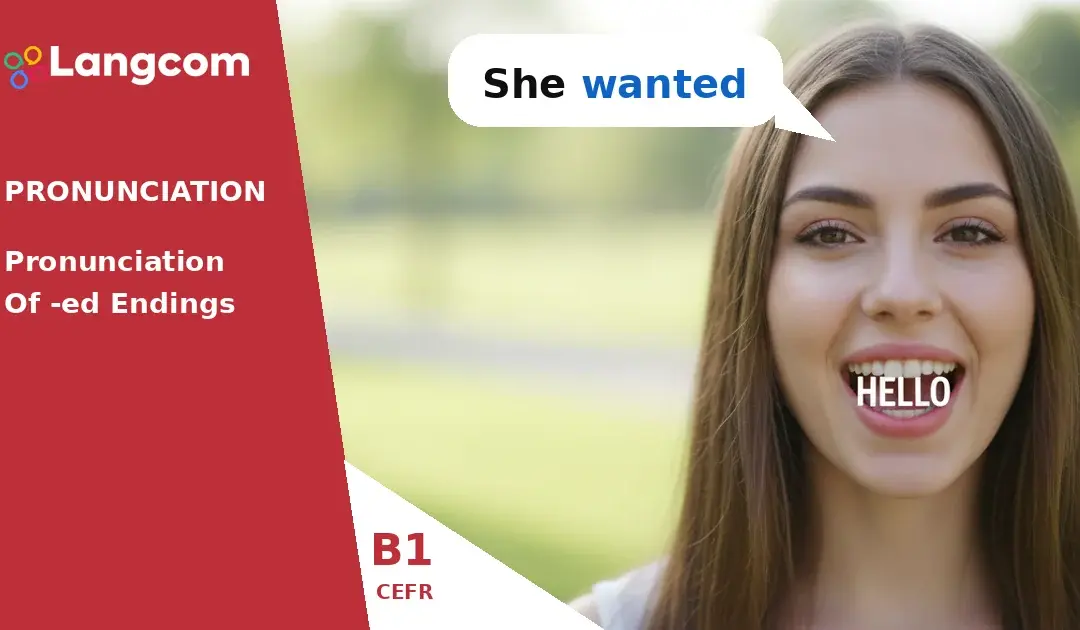
The -ed ending in regular past tense verbs and past participles has three different pronunciations: /ɪd/, /t/, or /d/. The sound depends on the final sound of the base verb before -ed is added. The most important rule to remember is that you only add an extra syllable...

por Raúl | Jul 30, 2026 | B1 Inglés Intermedio
To form negative sentences and questions in the Past Simple, we use the auxiliary verb did. This is a key rule for most verbs in English. For negative statements, you combine did with not (or didn’t) and the base form of the main verb. For questions, did comes...

por Raúl | Jul 30, 2026 | B1 Inglés Intermedio
The Past Simple positive describes actions that started and finished at a specific time in the past. It is one of the most common tenses in English, used to talk about completed events, stories, and past habits. To form it, we use the base form of regular verbs and...
por Raúl | Jul 30, 2026 | C1 Advanced Español
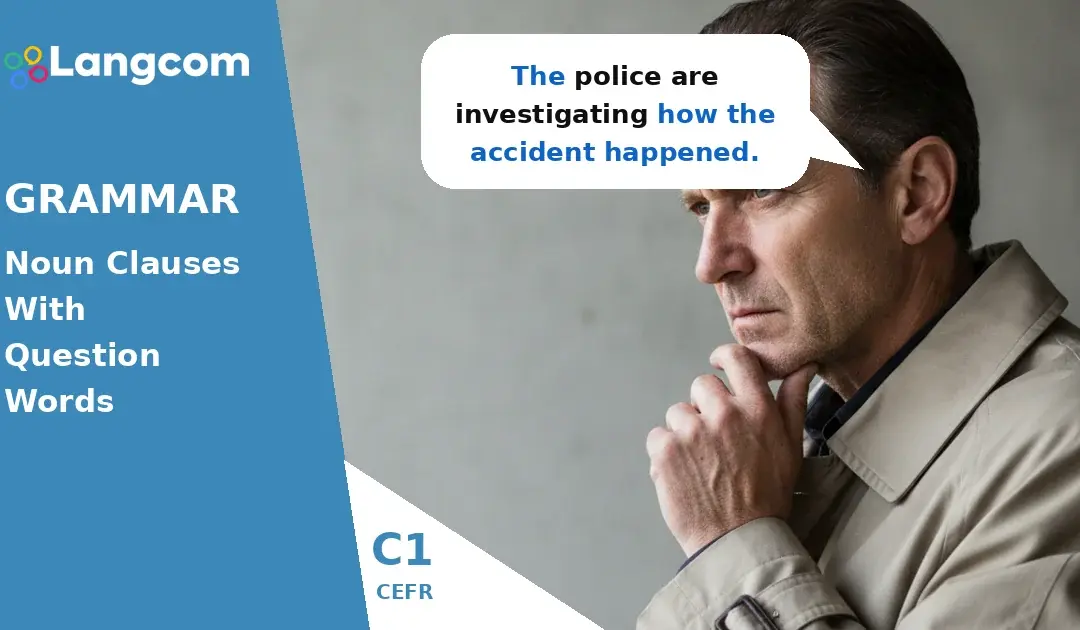
Noun clauses with question words act like nouns in a sentence, functioning as subjects, objects, or complements. They introduce indirect questions or statements, using question words like what, who, where, when, why, how, and whether/if. The most important rule for...
