بواسطة راؤول | يوليو 29, 2026 | A2 Key (KET)
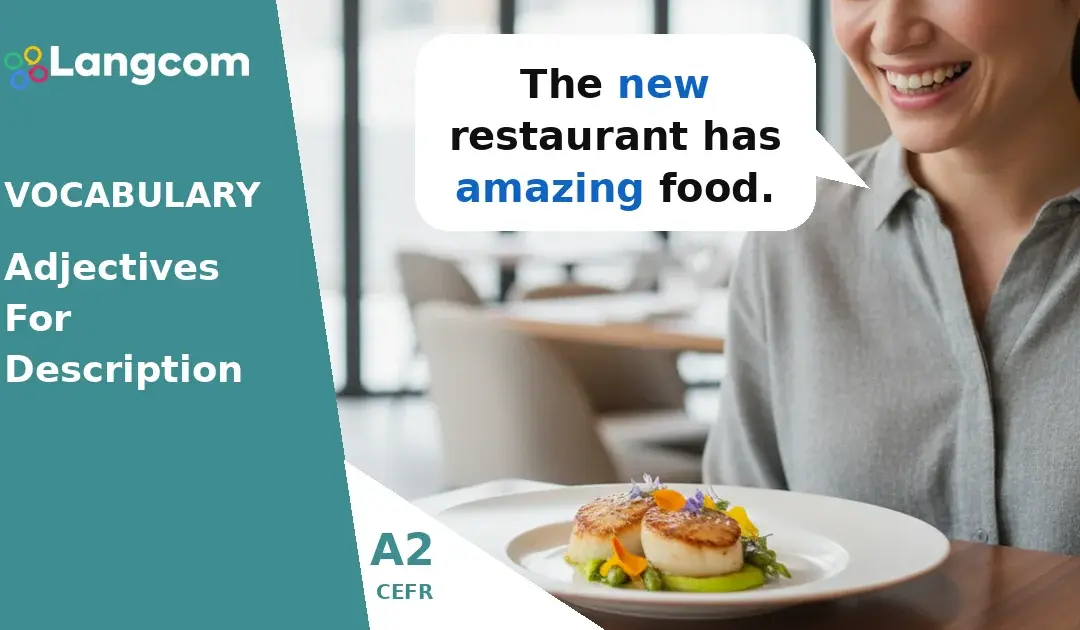
Adjectives are words that describe nouns (people, places, things) or pronouns. They add detail and make your English more interesting. For example, instead of saying The film was good, you can say The film was amazing! or The film was awesome! Adjectives help us...
بواسطة راؤول | يوليو 29, 2026 | اللغة الإنجليزية فوق المتوسط B2 فوق المتوسط
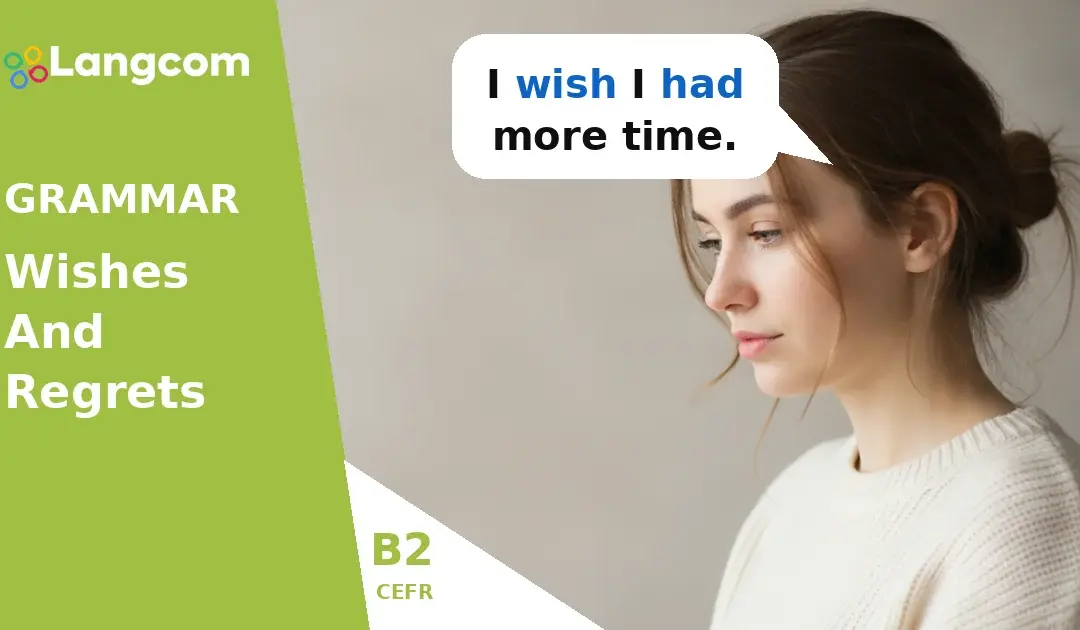
To express wishes and regrets in English, we use specific grammar patterns like wish, if only, and should have + past participle. These structures help us talk about situations we want to be different, either in the present, past, or future. We use different verb...

بواسطة راؤول | يوليو 28, 2026 | A1: اللغة الإنجليزية للمبتدئين
For ‘he’, ‘she’, and ‘it’ in positive Present Simple sentences, we add -s to the verb. This is a very important rule for talking about daily routines, habits, and facts related to one person or thing. For example, He works in an...
بواسطة راؤول | يوليو 28, 2026 | A2 Key (KET)
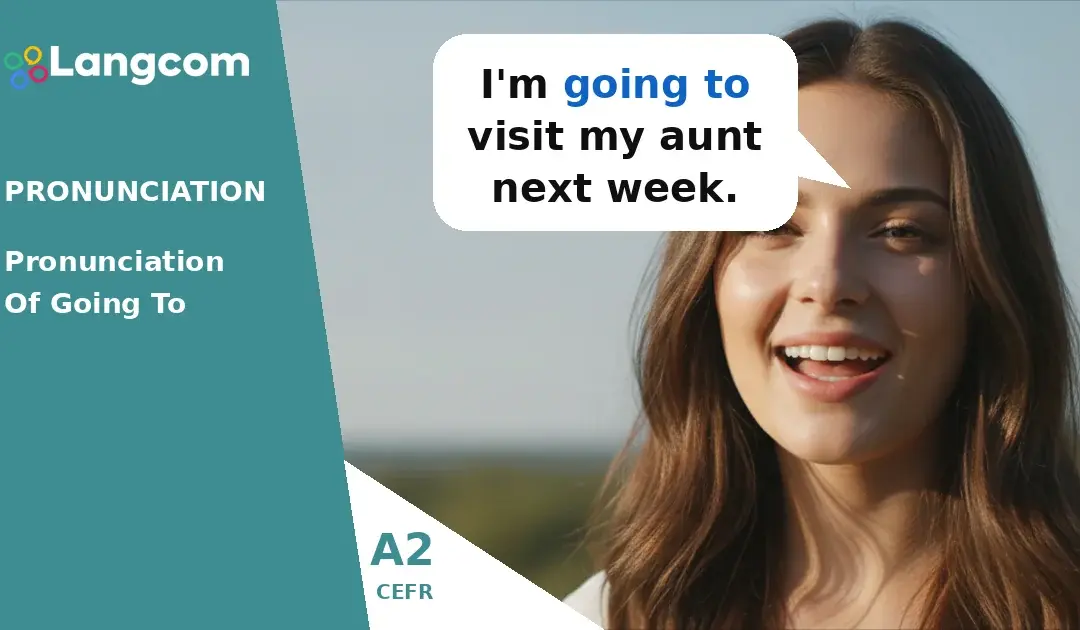
The phrase going to has two common pronunciations in English: the full, clear version and a faster, reduced version that sounds like gonna. Understanding and using both will help you speak more naturally and understand native speakers better. The full pronunciation,...
بواسطة راؤول | يوليو 28, 2026 | اللغة الإنجليزية فوق المتوسط B2 فوق المتوسط
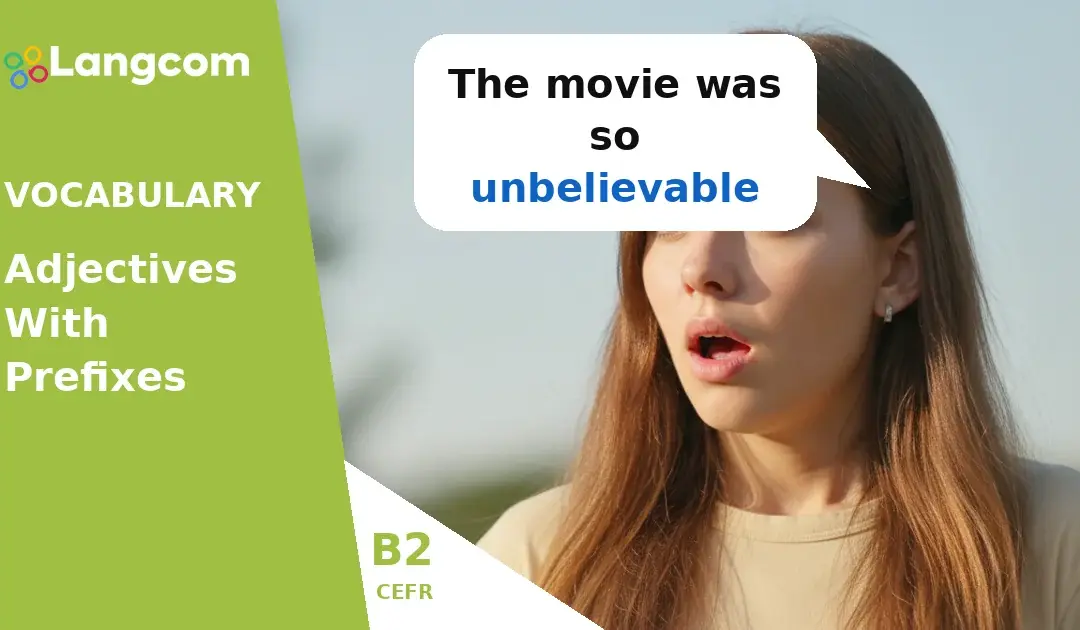
Adjectives with negative prefixes like un-, in-, dis-, im-, il-, and ir- change the meaning of a word, often making it the opposite. These prefixes attach to the beginning of an adjective to create a new word with a contrasting sense. For example, happy becomes...
